Learn how Endo-1,4-β-Mannanase reduces mannan-driven viscosity in industrial fluids, improving pumpability, filtration, extraction, and process control.
Request pricingMannan-rich raw materials can turn a workable process stream into a high-drag, high-energy system. In gums, plant extracts, feed slurries, botanical concentrates, and fiber-heavy side streams, β-mannan polymers bind water, build structure, and resist flow.
Buying for a plant or for resale? We supply mannanase for viscosity control in gums and plant extracts to manufacturers and resellers on a quote basis; send the material, quantity and destination. Request a quote.
Mannanase Enzyme Solutions supplies mannanase in bulk to processors, formulators and distributors who need controlled viscosity reduction without overcomplicating the formulation. Endo-1,4-β-Mannanase targets the internal β-1,4 linkages in mannan backbones, opening dense polysaccharide networks into shorter, more mobile fragments.
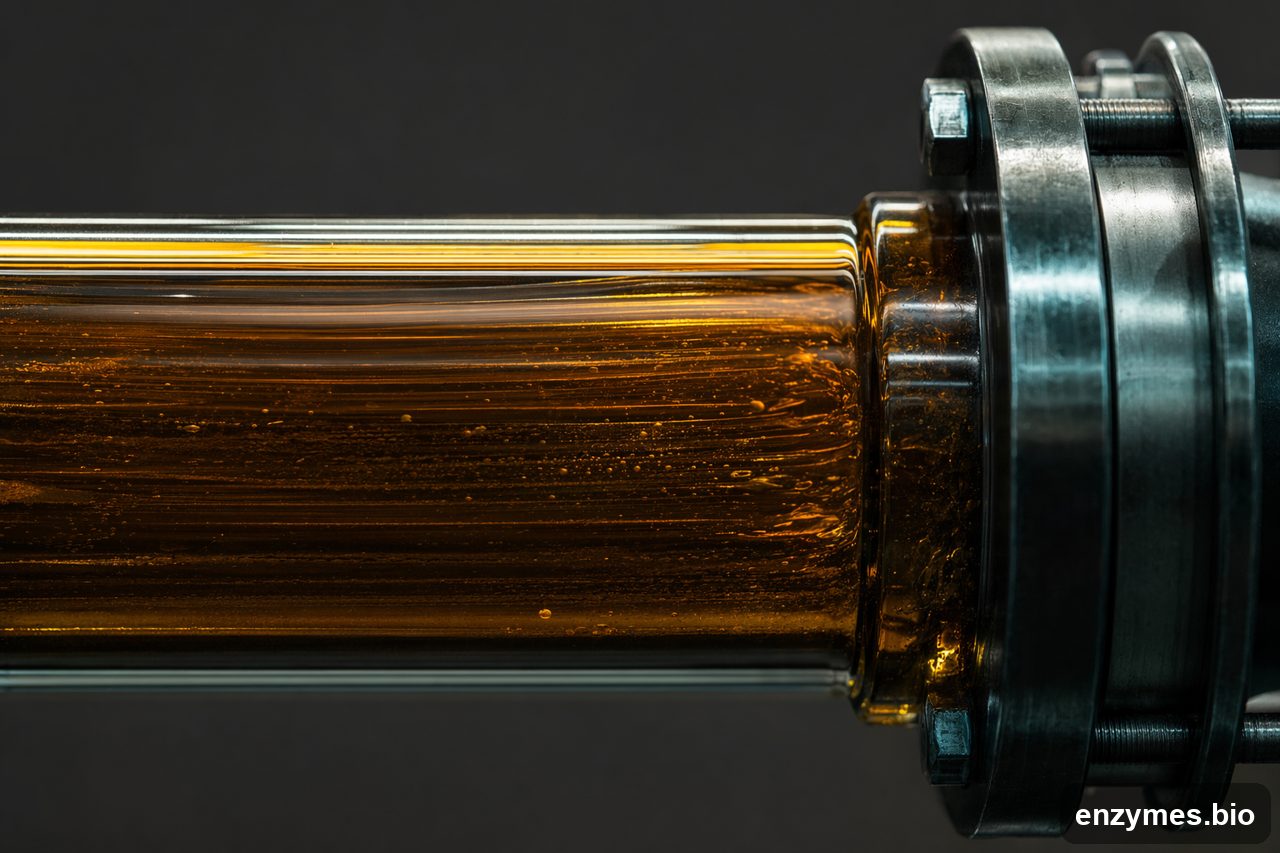
The practical result: lower viscosity, cleaner flow behavior, improved separation, and more predictable downstream handling.
Mannans and related hemicelluloses are common in plant-derived materials, including guar, locust bean, konjac, copra, palm kernel, soy fractions, coffee extracts, legume streams, and botanical residues.
In hydrated systems, these polymers can create:
Mechanical shear can move the problem downstream. Mannanase changes the material itself.
Endo-1,4-β-Mannanase works inside the mannan chain rather than only trimming chain ends. That internal cleavage pattern is valuable for viscosity reduction because fluid resistance often depends on polymer length, entanglement, and water-binding structure.
By reducing effective chain length and disrupting the gel network, mannanase can help transform thick, elastic, or stringing fluids into streams that flow, separate, and concentrate more consistently.
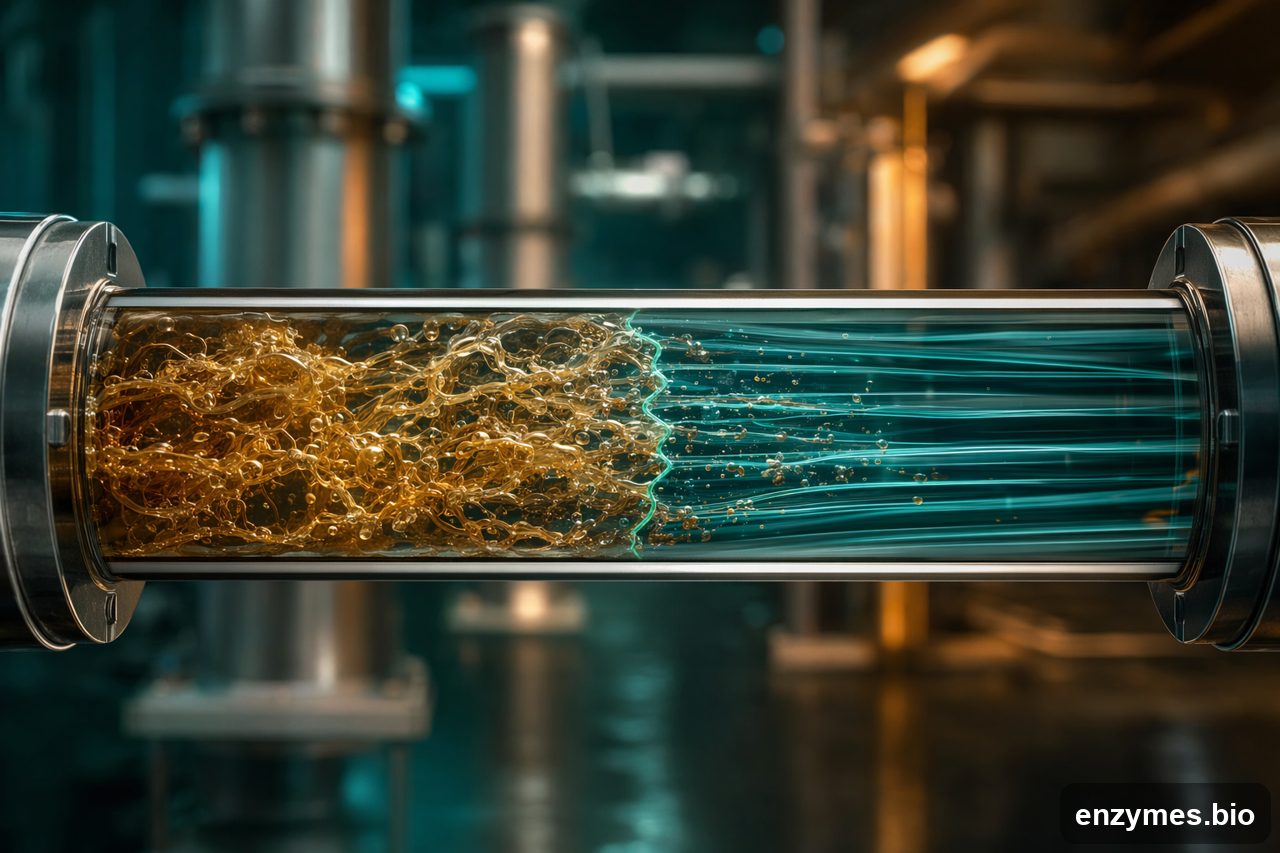
Mannanase can support extraction systems where plant fiber swells, binds water, or traps soluble value. Used at the right process point, it can improve slurry mobility and help release soluble components from fiber-rich matrices.
Typical outcomes to evaluate:
In gum-containing or gum-adjacent systems, mannanase is used to manage unwanted thickening rather than to remove functional texture where texture is required. The key is control: dose point, contact time, substrate availability, and stop conditions.
Useful targets include:
In feed manufacturing, mannanase can reduce the anti-nutritional effects of β-mannans and improve the behavior of viscous plant fractions. For feed technologists, the value is not only nutritional; it is also operational.
Process-relevant benefits can include:
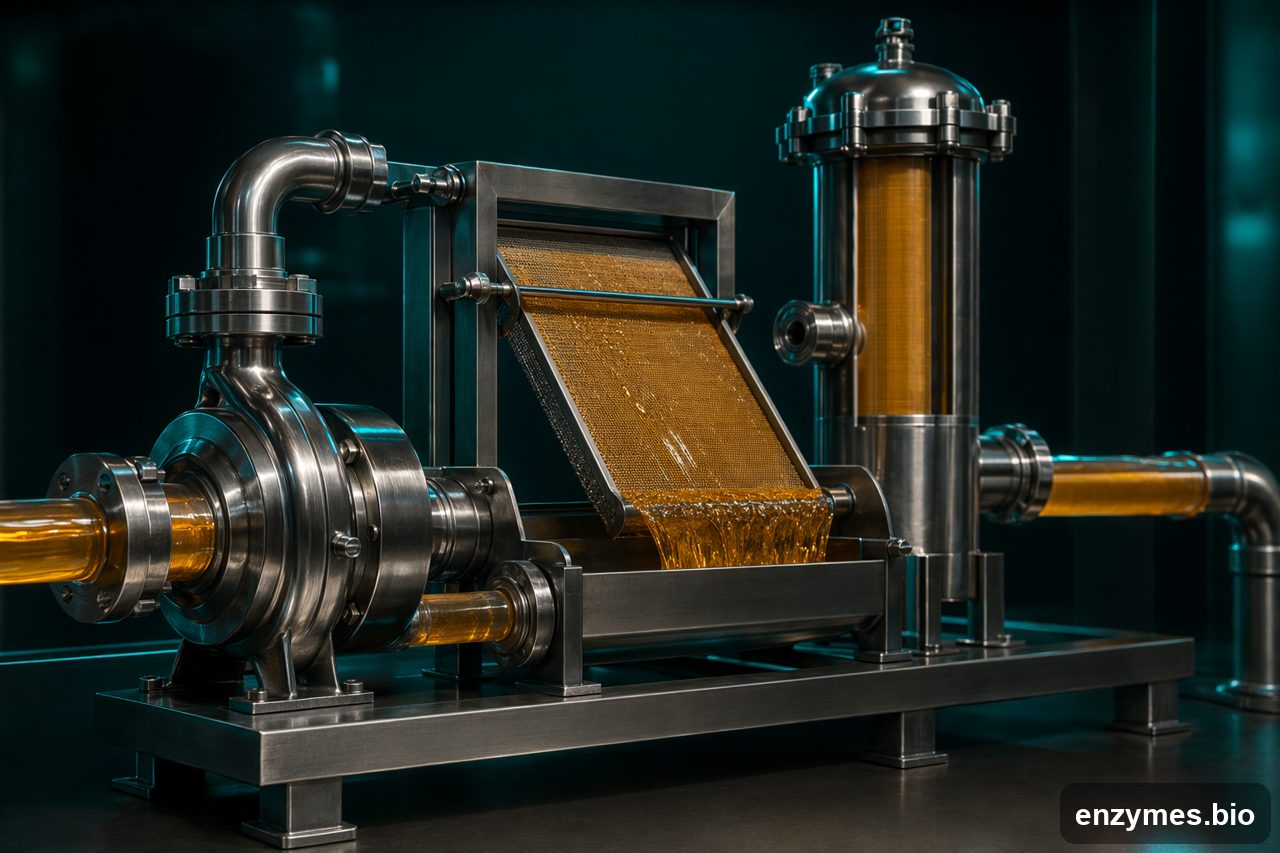
Mannan-rich residues can be difficult to pump, heat, dewater, or separate. Mannanase helps open these materials before downstream concentration, fermentation, drying, or recovery steps.
Evaluation should focus on:
Mannanase is not a drop-in guess. It performs best when matched to the real process window.
Key variables include:
For B2B evaluation, the most useful trial is tied to a process bottleneck. Do not start with enzyme addition alone. Start with the operational constraint.
Recommended endpoints:
A strong trial compares untreated material, a low-contact condition, and a target-contact condition using the same raw material lot.
Sourcing teams should request more than a label name. For industrial viscosity reduction, the practical questions are:
Mannanase Enzyme Solutions supports application-led selection so process teams can evaluate mannanase against measurable plant outcomes, not generic enzyme language.
Mannanase is a strong candidate when viscosity is driven by mannan-rich fiber, gum, or plant cell-wall material. It is not the right answer for every thick stream. Starch, pectin, cellulose, protein gelation, or mineral load may require other approaches.
The first technical step is substrate confirmation. If β-mannan structure is a major contributor, Endo-1,4-β-Mannanase can become a precise lever for viscosity control.
We supply mannanase for viscosity control in gums and plant extracts in bulk to manufacturers, distributors and resellers, on a quote-only basis. To get a grade recommendation and a price, send the product or application, the quantity (trial lot, monthly or annual volume), the destination country, and the process step where the enzyme will be added. Form and pack size are quoted per order, and we tell you which documents are available for that grade.

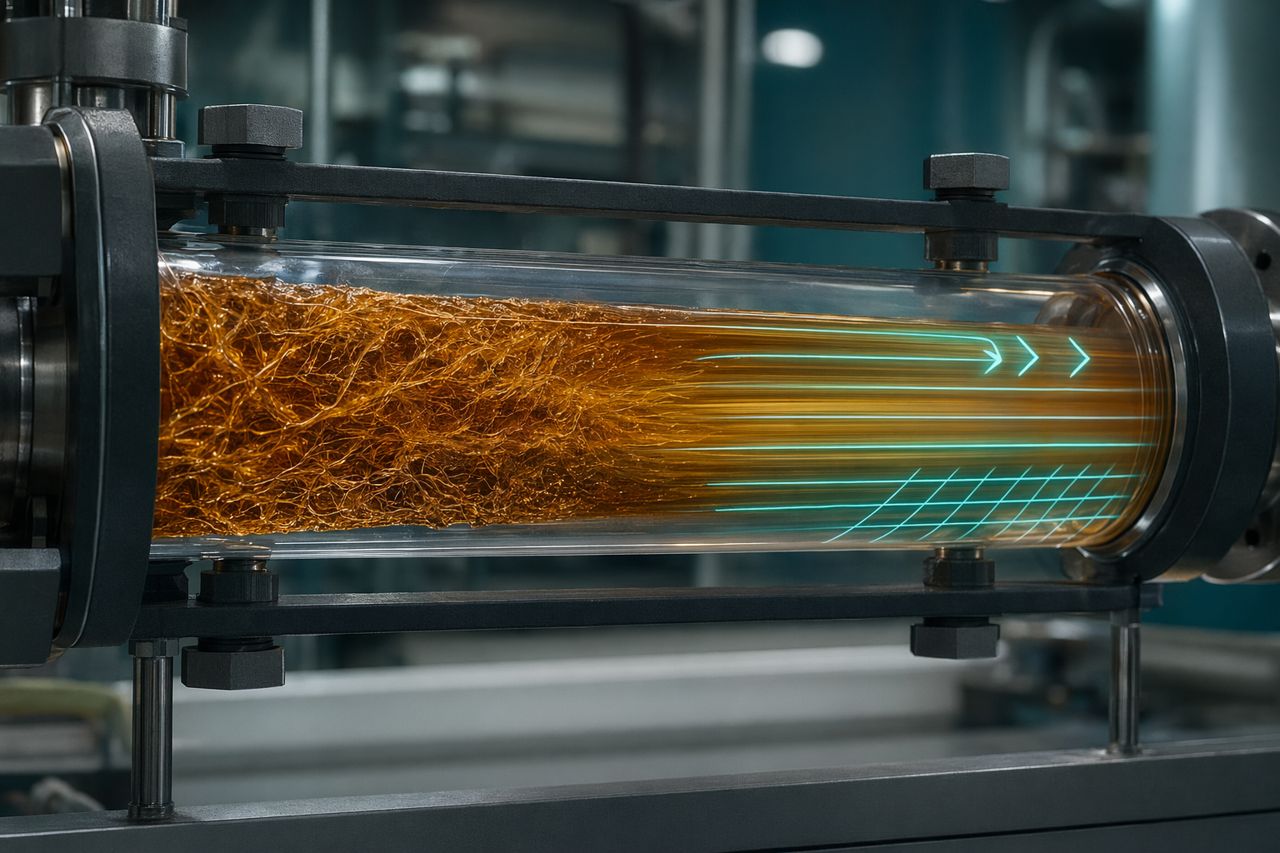
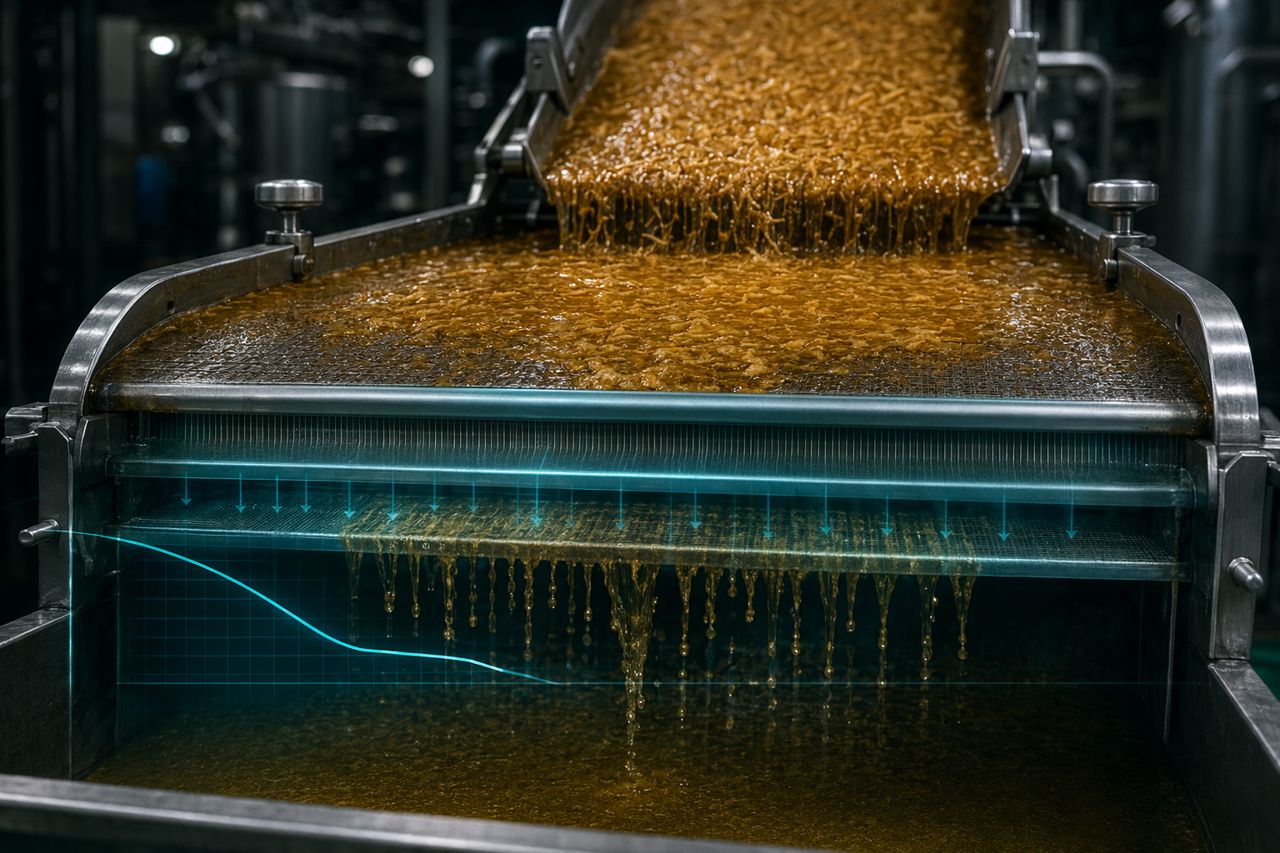
Precision mannan breakdown for smoother industrial flow.
Tell us your application and volume — we reply with pricing and lead time.
We have received your message. We will reply by email.