Application Guide

Mannanase for Textile and Fiber Processing | Mannanase Enzyme Solutions

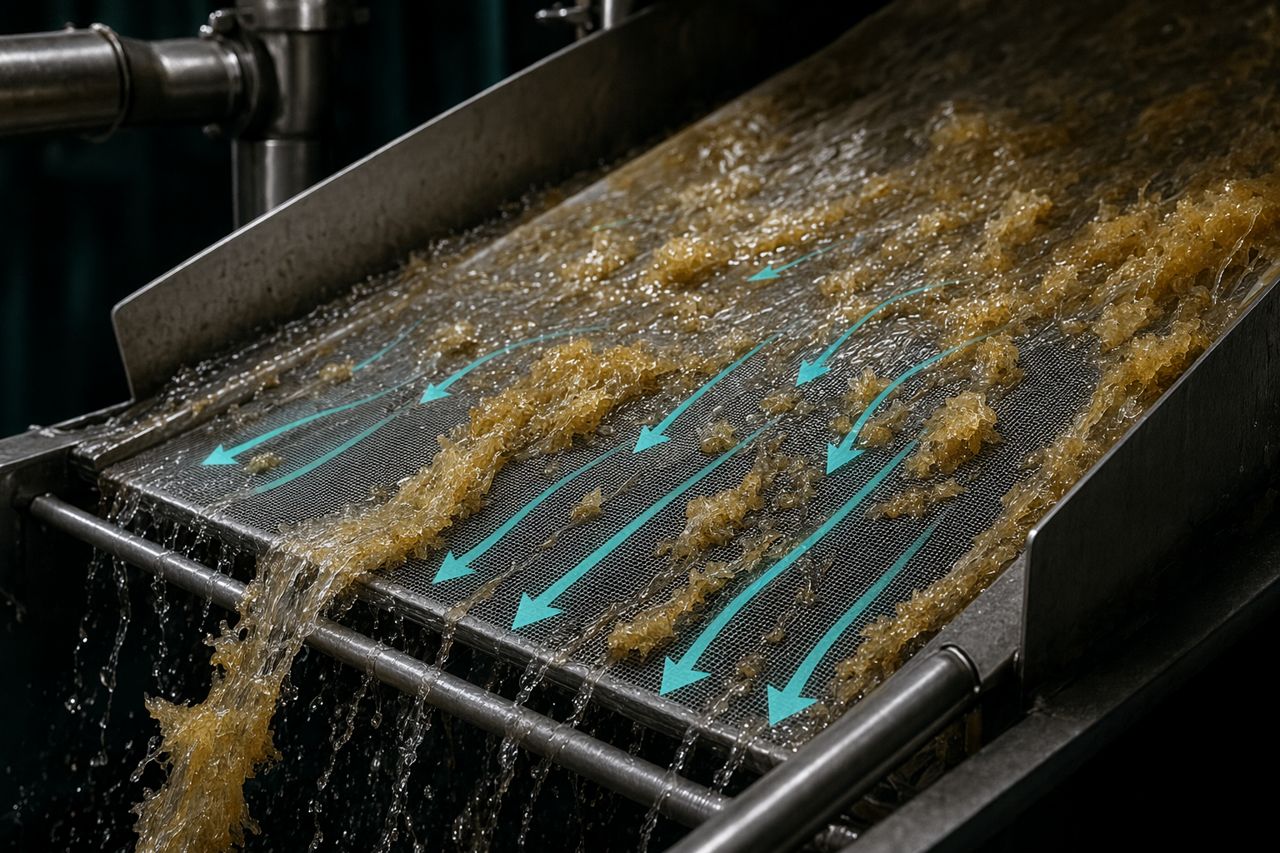
Mannanase Enzyme Solutions Endo-1,4-β-Mannanase helps textile and specialty fiber processors reduce mannan-gum viscosity, improve rinse-out, and control gum-related residues in preparation and washing workflows.

Request pricing

Mannanase for textile and fiber processing

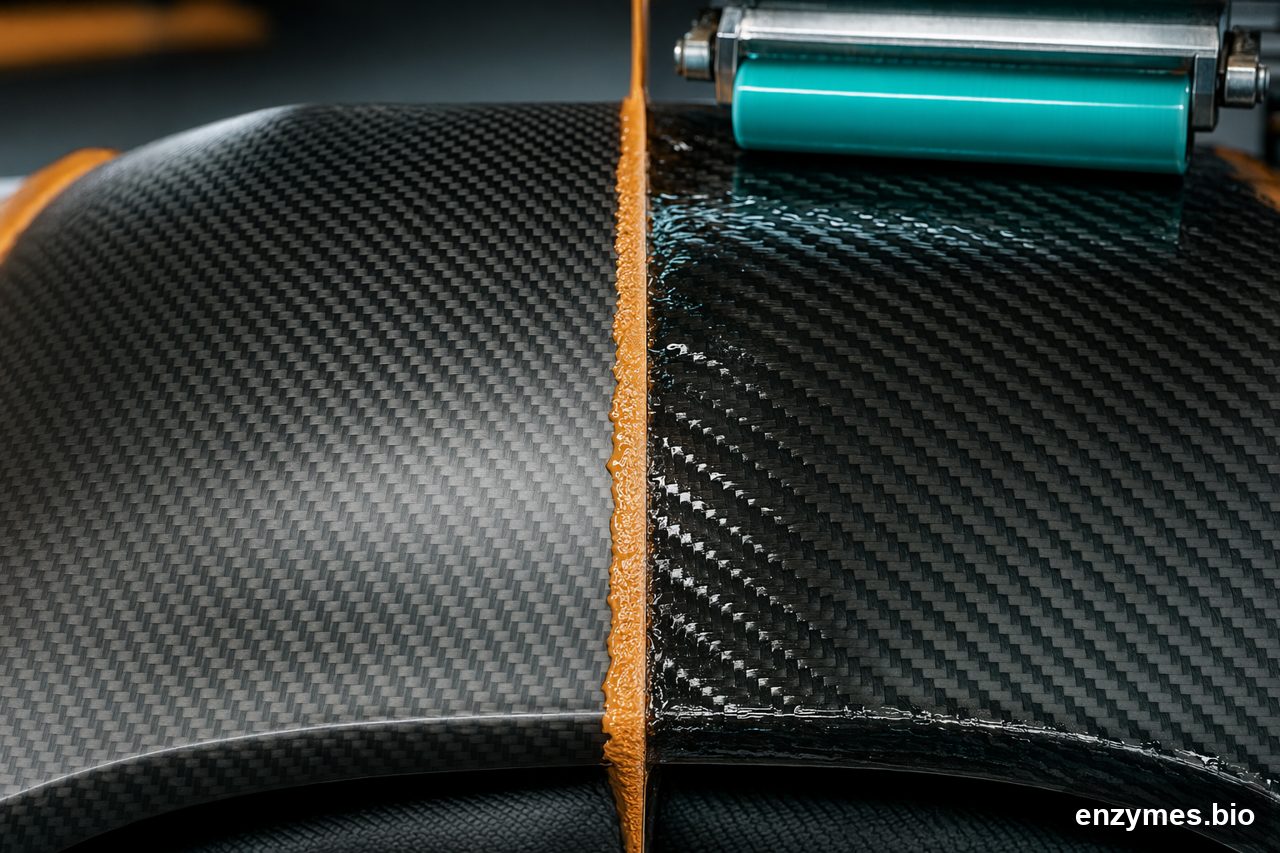
Mannan-containing gums can be useful process aids, but they often become residue, viscosity, and rinse-out problems when a fabric or fiber stream moves into the next stage. Mannanase Enzyme Solutions supplies Endo-1,4-β-Mannanase in bulk to textile mills, textile-auxiliary manufacturers and distributors, for controlled modification of β-mannan materials in textile preparation and specialty fiber-processing workflows.

Buying for a plant or for resale? We supply textile-process mannanase to mills, auxiliary makers and resellers on a quote basis; send the gum or residue, quantity and destination. Request a quote.

Use it where guar, locust bean, tamarind, or related mannan-rich residues need to be reduced without turning the entire process into an aggressive chemical clean-down.
Mannanase in textiles

What Mannanase Enzyme Solutions helps solve

  • High liquor viscosity from mannan-based gums or residues
  • Slow wet-out and uneven penetration through fiber assemblies
  • Gum carryover from preparation, printing, or specialty fiber handling
  • Variable washing performance when incoming residue load changes
  • Process water burden from persistent soluble or swollen gum fractions
  • Compatibility gaps where harsh chemistry creates shade, hand, or fiber-risk concerns

Where mannanase fits in textile operations

Gum-related residue reduction

Mannanase Enzyme Solutions targets β-mannan chains and converts dense gum structures into shorter, more mobile fragments. In practice, this can support faster release, easier dilution, and more predictable rinse behavior when mannan-containing residues are present.

Typical evaluation areas include:

  • Natural fiber preparation where plant-derived mannan residues contribute to tack, haze, or liquor drag
  • Removal of guar-based or related gum materials after printing or thickened applications
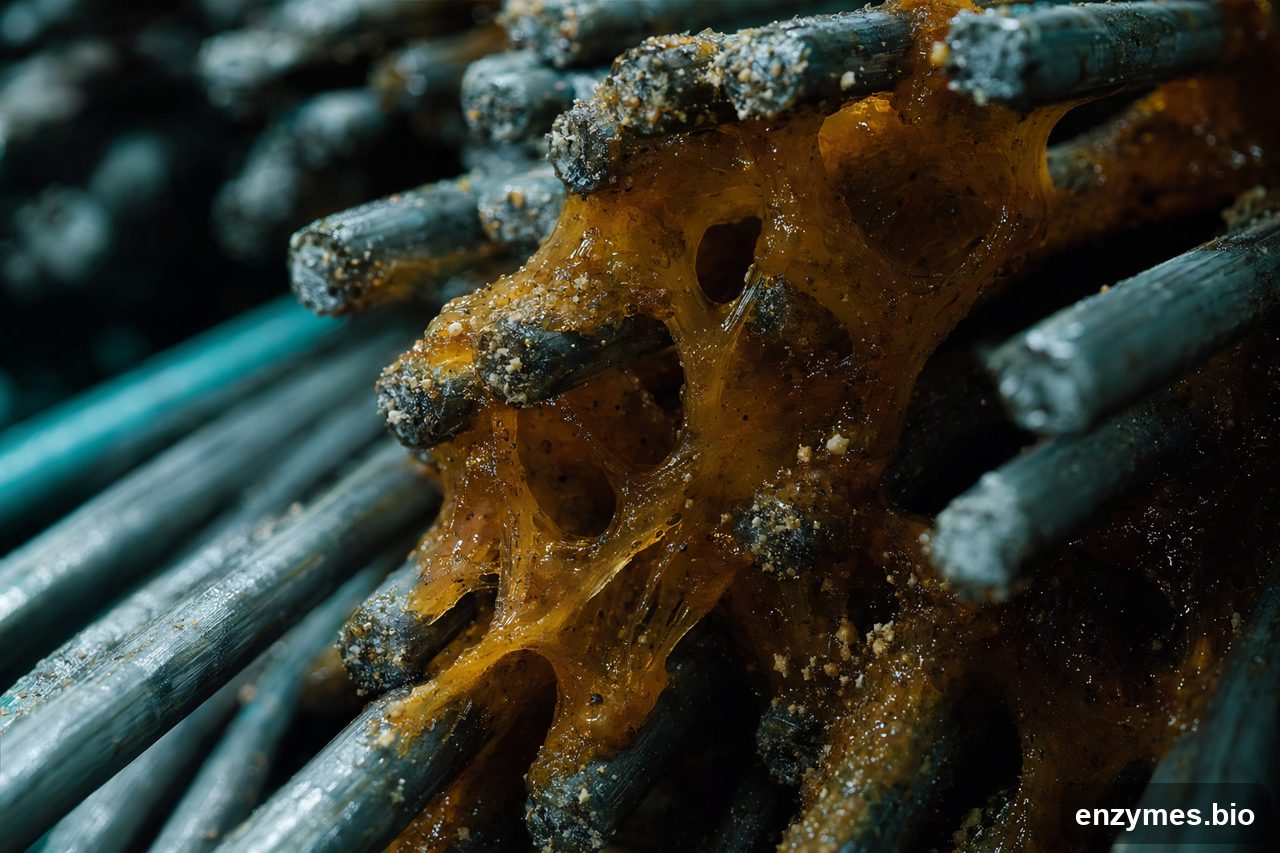
  • Specialty fiber washing where fiber bundles or slurries are slowed by hydrated gums
  • Process liquor conditioning where swollen polysaccharide residue is disrupting flow or filtration

Cleaner movement through fiber

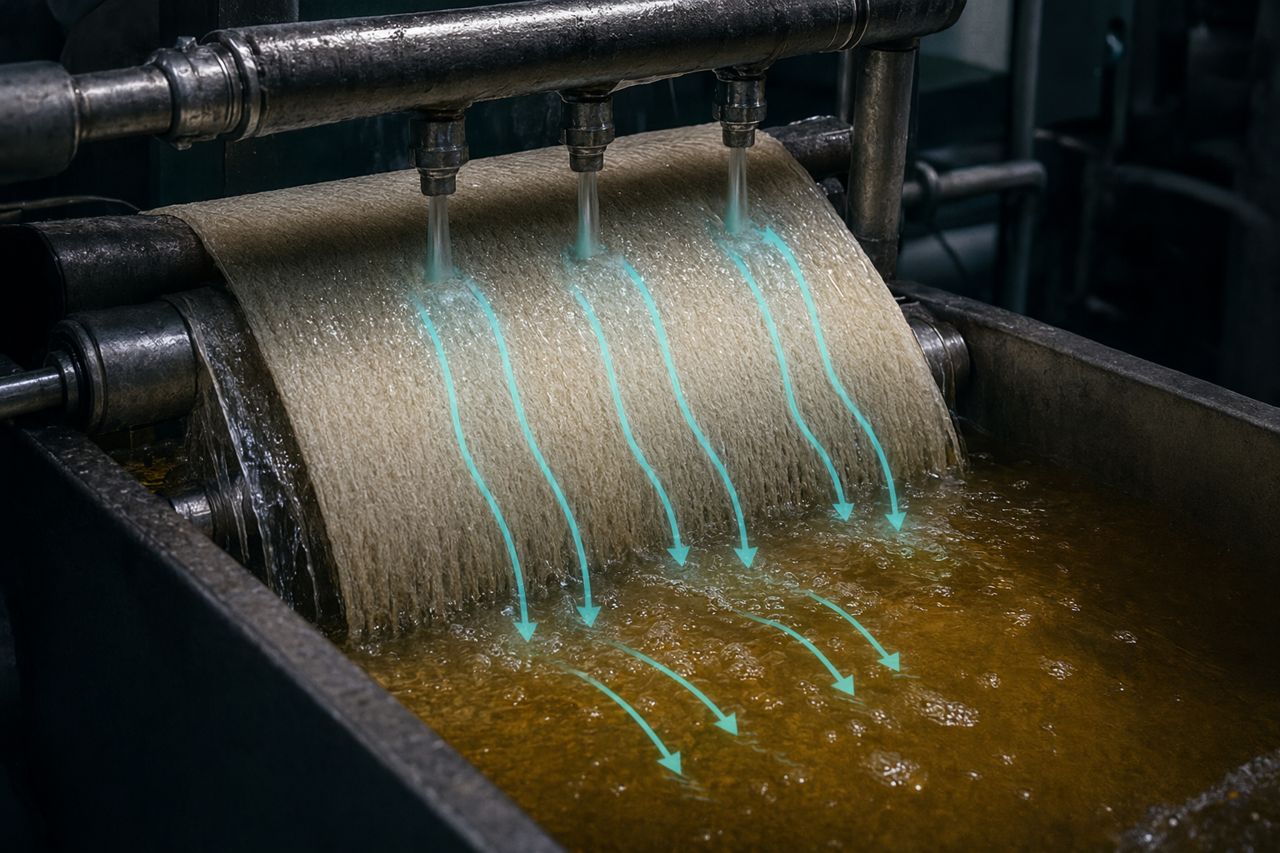
When gum networks remain intact, they hold water, bind fine material, and slow liquor movement. Mannanase reduces the structure of those networks, helping bath chemistry move more evenly through yarns, fabrics, mats, or fiber suspensions.
Mannanase in textiles

The intended result is not dramatic fiber attack. The intended result is controlled viscosity reduction and residue release.

Outcomes buyers usually evaluate

For formulation scientists

  • Targeted mannan modification without relying only on caustic or oxidative load
  • Easier pairing with wetting agents, dispersants, chelants, and wash auxiliaries
  • A more controlled route for reducing gum body while protecting shade and hand objectives
  • Cleaner troubleshooting when guar or related gums are known variables

For process engineers

  • Improved liquor flow through fiber assemblies
  • Reduced gum-related drag in tanks, lines, screens, or wash stages
  • More consistent rinse-out when incoming residue levels vary
  • Potential to simplify overloaded wash sequences after pilot confirmation

For sourcing and technical procurement

  • Industrial mannanase support for textile-specific qualification
  • Supply discussions based on application, substrate, and process format
  • Documentation support for safety, handling, and batch traceability
  • Practical sample scoping before commercial pricing

Important fit notes

Mannanase is not a universal textile enzyme. It is selected when mannan-containing gums or residues are part of the problem.

It is commonly evaluated alongside, not automatically in place of:
Mannanase in textiles
  • Amylase programs for starch-based desizing
  • Cellulase programs for biopolishing or controlled surface modification
  • Pectinase or scouring systems for pectin-rich impurities
  • Surfactant and dispersant packages used for wet-out and soil release

If the residue is not mannan-derived, we will say so during application review.

Process integration checklist

Before trial design, collect the practical details that determine whether mannanase is likely to help:

  1. Fiber type, blend, construction, and finish history
  2. Known gum source, such as guar, locust bean, tamarind, or mixed plant gum
  3. Process step where the issue appears: preparation, print wash-off, fiber washing, or liquor treatment
  4. Current bath chemistry, including wetting agents, alkalinity, oxidants, salts, and chelants
  5. Available temperature and pH windows in the real plant, not only in the lab
  6. Contact time, agitation, liquor ratio, and rinse sequence constraints
  7. Success criteria, such as lower viscosity, cleaner rinse, reduced carryover, improved flow, or less visible residue
  8. Any shade, hand, tensile, or downstream compatibility limits

Trial approach

A practical mannanase trial should compare the current process against a controlled enzyme-assisted version on the same substrate and residue load. The most useful evaluation metrics are usually operational rather than academic:

  • Bath viscosity trend before and after treatment
  • Rinse clarity and suspended residue behavior
  • Fabric or fiber wet-out consistency
  • Carryover into the next bath
  • Filter, screen, or drain performance
  • Hand, shade, and visible surface cleanliness
  • Impact on total wash sequence and rework rate

We do not recommend building a textile trial around generic activity numbers alone. The right dose depends on the actual gum source, liquor chemistry, contact window, and release target.

Product discussion points

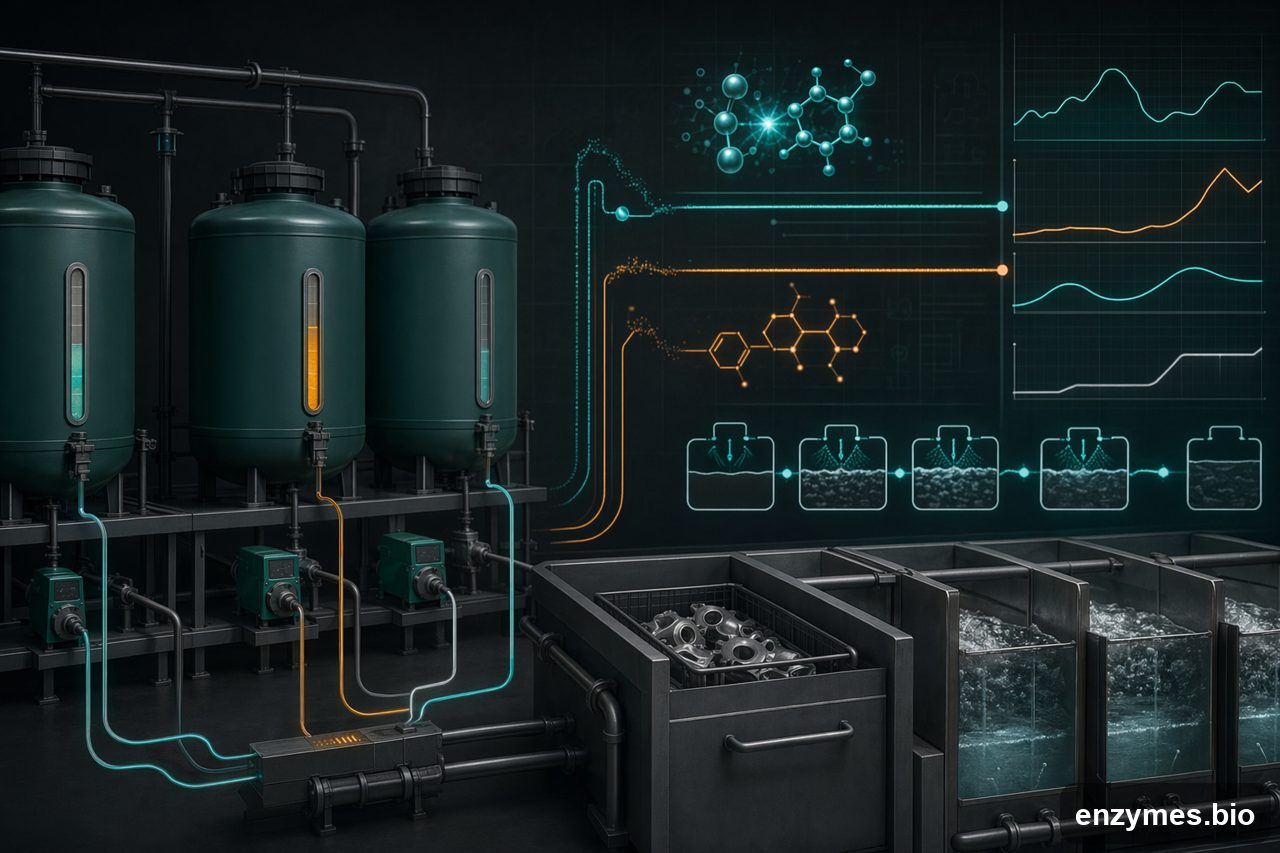
Mannanase Enzyme Solutions can be discussed for liquid or dry-format supply depending on the workflow, storage preferences, and dosing system. During qualification, our team can help align the enzyme format with:

  • Manual or automated addition
  • Pre-dilution practices
  • Holding tank behavior
  • Compatibility with existing auxiliaries
  • Storage and handling expectations
  • Batch documentation requirements

Request a wholesale quote

We supply mannanase for textile and fiber processing in bulk to manufacturers, distributors and resellers, on a quote-only basis. To get a grade recommendation and a price, send the product or application, the quantity (trial lot, monthly or annual volume), the destination country, and the process step where the enzyme will be added. Form and pack size are quoted per order, and we tell you which documents are available for that grade.

Go to the inquiry form

Mannanase for Textile and Fiber Processing | Mannanase Enzyme SolutionsMannanase for Textile and Fiber Processing | Mannanase Enzyme SolutionsMannanase for Textile and Fiber Processing | Mannanase Enzyme Solutions

Precision mannan breakdown for smoother industrial flow.

More from Mannanase Enzyme Solutions

Request pricing & specs

Tell us your application and volume — we reply with pricing and lead time.

We reply by email.Only name, email and message are needed.